
The paradoxes of populism
Plus nuclear cargo ships, the ROAD to Housing Act, and when results matter

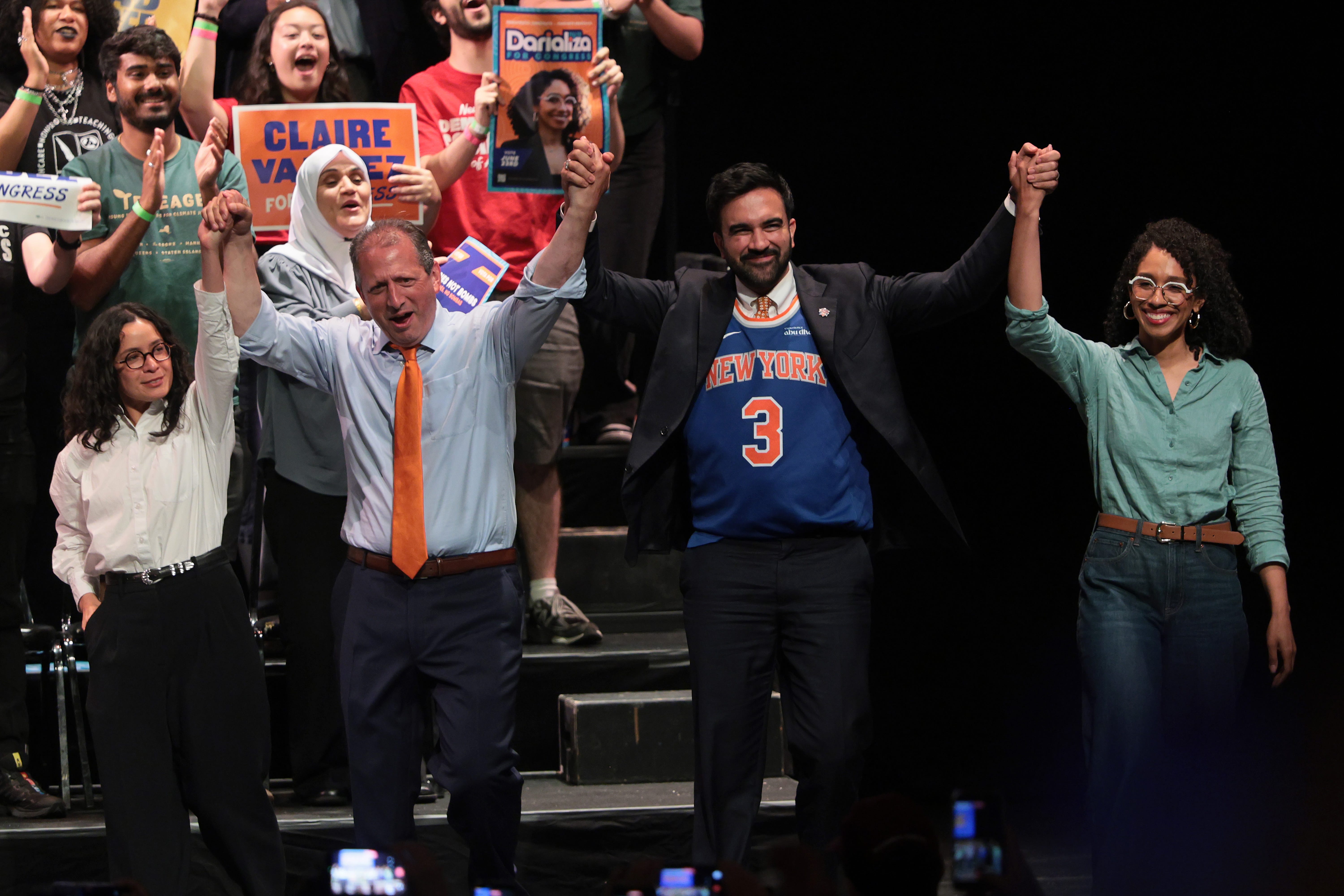
I don’t want to exacerbate the tendency for everything that happens in New York to attract more attention than it deserves by writing a post specifically pooh-poohing the Democratic Socialists of America’s big primary wins there. What I do want to say is that part of what makes the wins such an impressive organizational flex is that the people they beat are themselves very left-wing. Even on Israel, it’s not like any of the losers were big pro-Israel outliers. Ritchie Torres, the actual noteworthy moderate among the New York City delegation, won his primary easily. So I don’t know what the stakes are here. I think people will discover that replacing House members who are to the left of the median Democrat with members who are somewhat further left doesn’t actually change anything — and I would caution moderates against getting too emotionally invested in this kind of race.
Another thing that happened this week is that the Adam Gray/Tom Suozzi Promise to America movement signed up eight new members of Congress. They include Vicente Gonzalez, Don Davis, and Laura Gillen, who are holding down some of the caucus’s toughest seats, along with Kristen McDonald Rivet, an electoral superstar who should have been the establishment’s choice for the Michigan Senate race.
They also picked up some congressional candidates including Bobby Pulido, who is going to be a huge star if he manages to win a tough race in a gerrymandered seat in South Texas, and Jamie Ager, a farmer running in North Carolina who is actually practicing a kind of throwback rural politics rather than just marketing that kind of politics to college graduates. I saw some speculation on Twitter about why the leftist insurgency isn’t gaining ground in Chicago, but the obvious answer is the left already won power in Chicago and voters have hated it, so the left doesn’t talk about Chicago anymore. In the Bay Area, Matt Mahan and Dan Lurie are leading a wave of pro-growth reformist mayors who represent what comes after left-wing failures, and I think we’ll see a movement like that emerge in Chicago too. That doesn’t mean failure is inevitable — you can always pursue the Zohran Mamdani path of keeping his predecessor’s key policies on crime and education in place, not raising taxes on city residents or city businesses, and focusing on zoning reform and foreign policy.
But it’s just to say that the real work is not fighting rear-guard actions on behalf of lifelong progressives who’ve just fallen out of step with the fashions of the time. It’s building the next thing.
Amos Karlsen: A couple of (maybe) contradictions about public opinion I’ve been wondering about lately: (1) People are loathe to acknowledge tradeoffs, eg wanting to cut taxes but not spending, yet also excessively zero-sum, eg thinking Trump must be solid on economics to balance out his poor character/corruption/election stealing attempts. (2) Everyone is super negative/pessimistic about politics, and yet also seem to believe unrealistic promises like Biden unifying the country or Trump lowering prices — or at least believe them enough to be disappointed when they don’t come to fruition. Not sure if there’s an explanation here, or if I’m just mischaracterizing the situation, but feels like maybe something weird going on.
These are shrewd observations on your part, and I think it’s largely all downstream of the stealth democracy phenomenon that gives rise to these populist paradoxes.
I’ve written about this before, but, to briefly recap, the thesis of the book by Elizabeth Theiss-Morse and John R. Hibbing is that most of the public is fundamentally hostile to what political scientists would consider the normal operation of a democratic republic. That is to say, voters view the existence of sharp partisan conflict as evidence that key actors in the system are not on the level. If people of goodwill and integrity sit down around the table, they should be able to just work things out and solve problems. This is not true. But if you keep in mind that most people think that it’s true, a lot of other phenomena snap into place.
Notably, this reconciles the aversion to acknowledging tradeoffs with the tendency toward an excessively zero-sum worldview.
A tradeoff-acknowledger says that generous pensions and medical care for the elderly sound good because the elderly are broadly sympathetic, but also that dedicating large amounts of resources to this is bad for economic growth. One reason that political conflict exists among people of goodwill and integrity is that wanting to take care of the elderly and wanting to ensure economic growth are both totally reasonable ideas, but there is a conflict, so reasonable people disagree about what to do.
But the stealth democracy framework rejects that. It can’t possibly be the case that democratic disagreement exists among people of goodwill due to genuine tradeoffs.
What can be the case is that corrupt or malign forces are appropriating resources to clearly illegitimate ends. So we get people adopting a very zero-sum view of immigrants or billionaires or believing that if we eliminate USAID or stop giving money to Israel that somehow all these tradeoffs will vanish.
Keep reading with a 7-day free trial
Subscribe to Slow Boring to keep reading this post and get 7 days of free access to the full post archives.