

My mother worked in magazines when I was a kid. My dad is a novelist and a screenwriter, but he also wrote for 7 Days magazine1 at one point during my childhood. Both of his parents and his half-brother dabbled at times in magazine writing.
I grew up with magazines in my house and, to an extent, in my blood.
In my own career, I was an intern at Rolling Stone at a time when the editors communicated more by fax than by email. And even though I worked primarily on the web side of The American Prospect and The Atlantic early in my career, those were, at the time, very much print-first organizations, places where everyone would sit around at big meetings and talk about cover stories.
I have no idea how many people at the time actually read those print magazines, or whether they truly read them at all. But my strong sense is that industry insiders really believed that people were reading magazines during their leisure time.
Of course, everyone knew that in the pre-smartphone dark ages, people were reading magazines while waiting at the doctor’s office. And people were buying magazines at the airport when they realized they didn’t have a book to read on the flight. I sometimes bought magazines at newsstands before hopping on the subway if I didn’t have anything else to read.
But I think the general idea was that people who bought magazine subscriptions were taking the time in the evenings and weekends to curl up on the couch or in a comfy chair and read the magazine, just like you might settle in with a good book or pop a movie in the VCR.2 It was tough, of course, to compete with television. But in the old days of linear TV, sometimes you just didn’t like anything that was on. Maybe between “Seinfeld” and “ER,” you would read a magazine rather than pay attention to “The Single Guy.”
Certainly part of the reason that I ended up in this line of work is that I was a Teenage Magazine Reader.
I spent a nonzero amount of time every week either in my high school library or in the cafe section of Barnes & Noble reading The Economist, The Weekly Standard, and The New Republic, among others.
The basic logic was that journalism — especially thoughtful, magazine-y journalism — was being consumed when people weren’t busy working. Between 9 a.m. and 5 p.m. on weekdays, you expected a large share of the reading public to be at their desks working. After hours, on the weekends, or during holidays, you expected readership to go up since people have more time. Whether that was factually true or not, it was kind of the image the industry had of itself: when not forced to work by the boss, people might choose to consume magazine content.
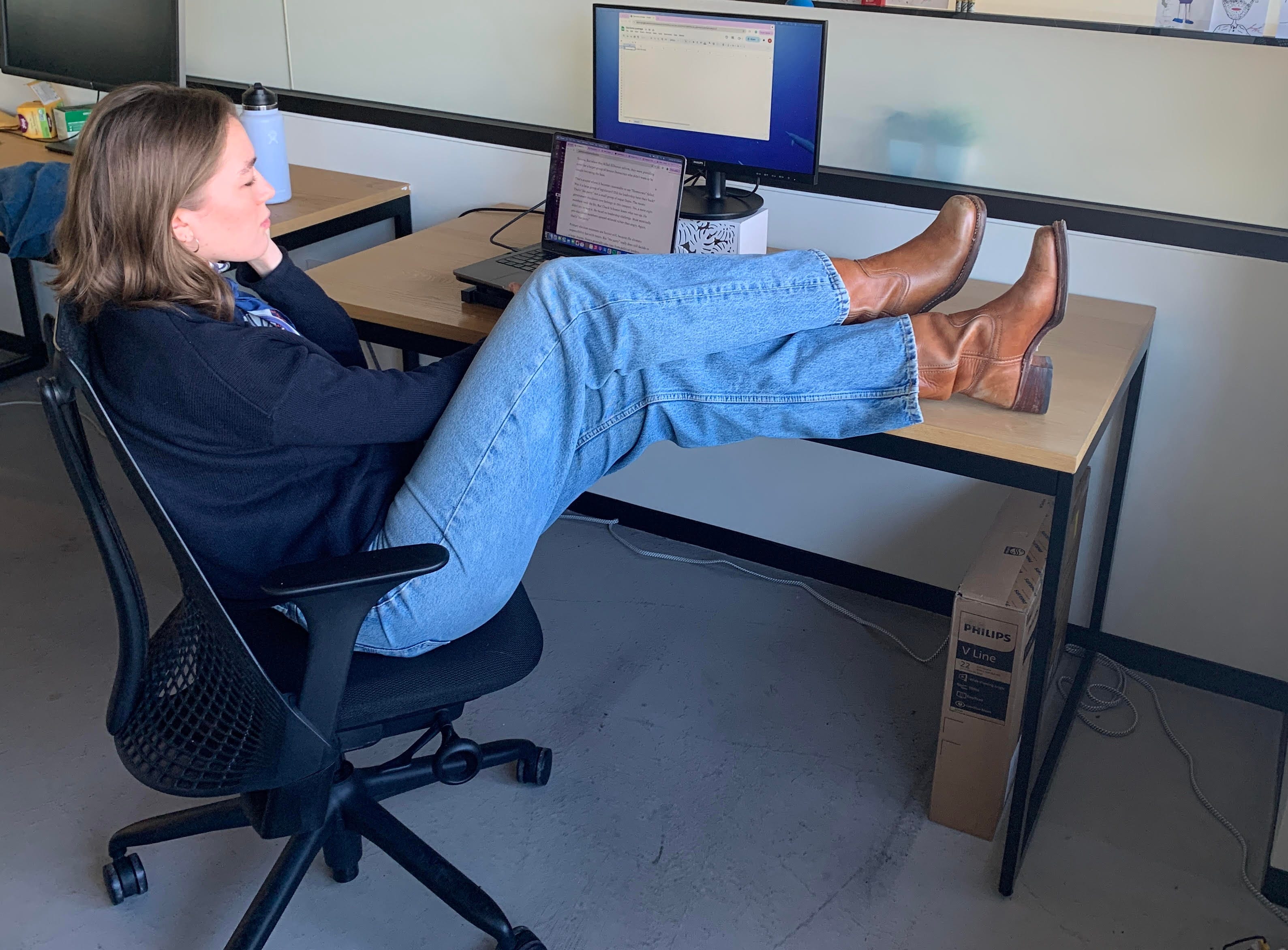
On the internet, though, we can see exactly what it is you’re doing, and we know perfectly well that you’re actually reading online when you’re supposed to be working.