

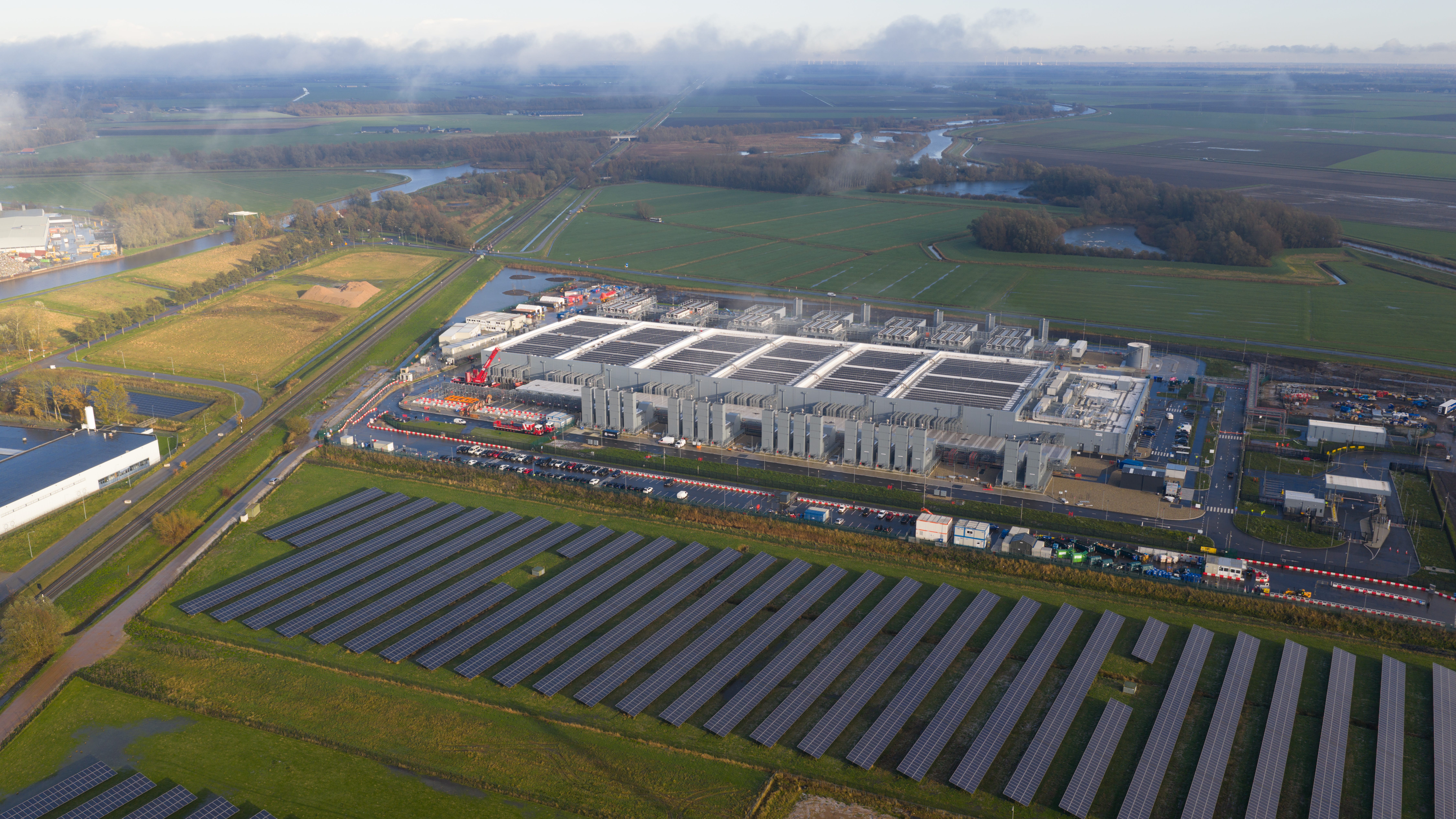
I had an idea for a post about data centers, and one thing I needed to know was how many data centers were built in 2025 compared with previous years. Are we on pace in 2026 to build more data centers than in recent years or fewer? We know that there are lots of new laws designed to curtail data center development, but is that because there are, in fact, way more projects?
I didn’t write that article, though, because I could not find an answer to this seemingly basic question.
I think one of journalists’ worst failings is that we don’t like to tell the audience what we don’t know, so we often end up writing around basic factual questions that articles should really address. I’ve read dozens of pieces about the data center backlash, and none of them are clear about the pace of data center construction because it seems like nobody’s really sure.
The whole “data” situation around data centers, in other words, is quite bad.
For example, on the left is a Pew chart showing the top states for existing and planned data centers, and on the right there’s a chart of the same thing from the Manhattan Institute. The two charts do not agree.
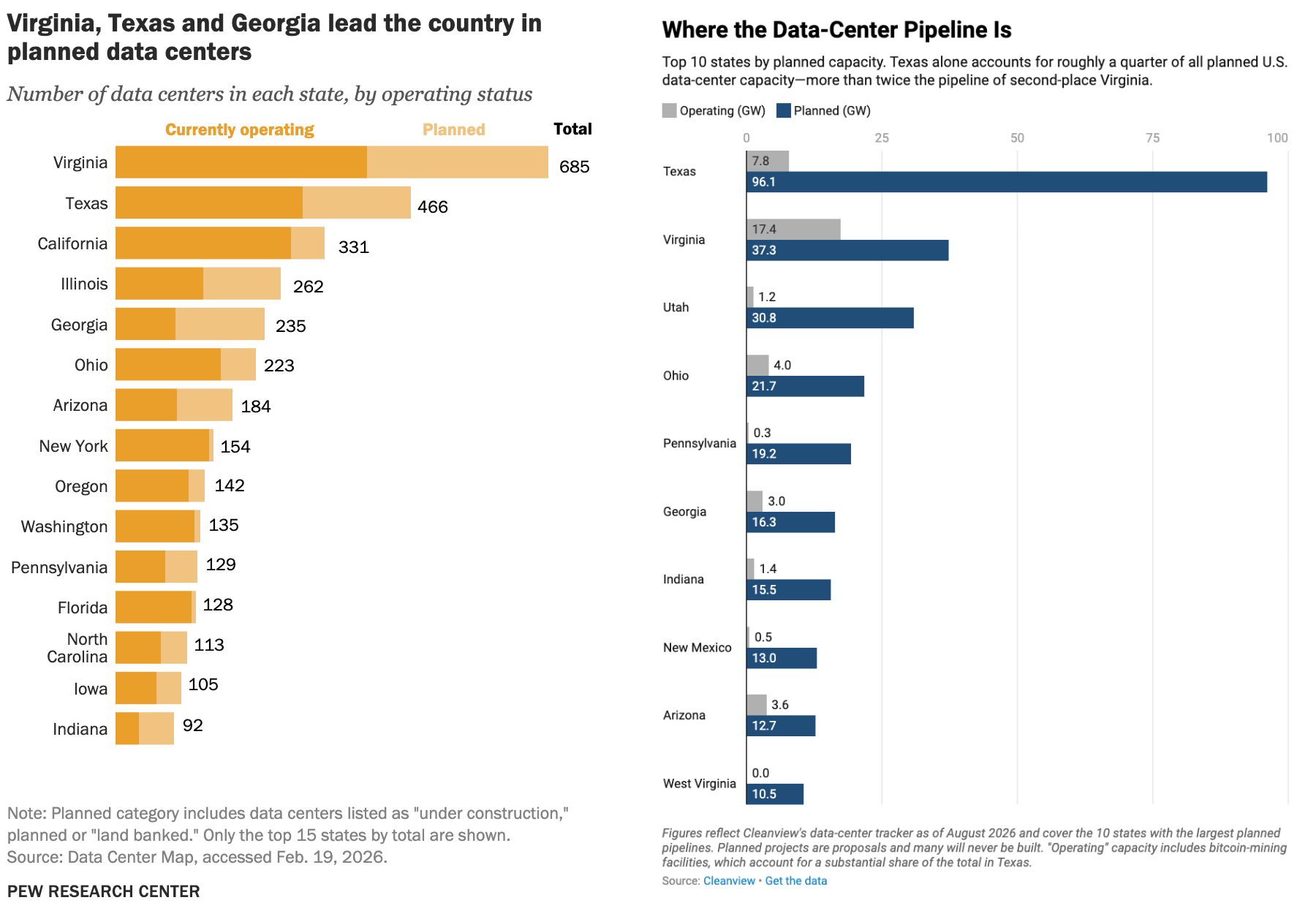
This is in part because Pew and Manhattan are relying on different underlying sets of data. It’s in part because the question of what it means for a data center to be “planned” is a bit ambiguous, and Manhattan is taking a much more generous definition of a plan. It’s also partly because Shawn Regan, in the piece that I took the Manhattan Institute chart from, is trying to distinguish Greg Abbott’s data center order from Josh Shapiro’s. He notes that Abbott’s “audit is intended to help distinguish projects with real development potential from more speculative ones,” in which case it’s important to note that many proposals exist in only vague form.
Still, that doesn’t fully account for the gap: Manhattan says there are more than twice as many data centers in Virginia as in Texas, while Pew sees a much narrower lead.
Pew and Manhattan are also counting different things — Pew is focused on the number of data centers, but Manhattan is counting the gigawatts of capacity. Texas, I guess, has smaller data centers on average than Virginia.
One underlying issue is that a “data center” is not really a regulatory category as far as the federal government is concerned. Via Google Maps, here’s a swath of Loudoun County in Virginia that features both NTT Global Data Centers Americas’ VA-1 data center and NTT Global Data Centers Americas’ VA-2 data center. They are separated by a Greek restaurant and a business that does concrete coatings.
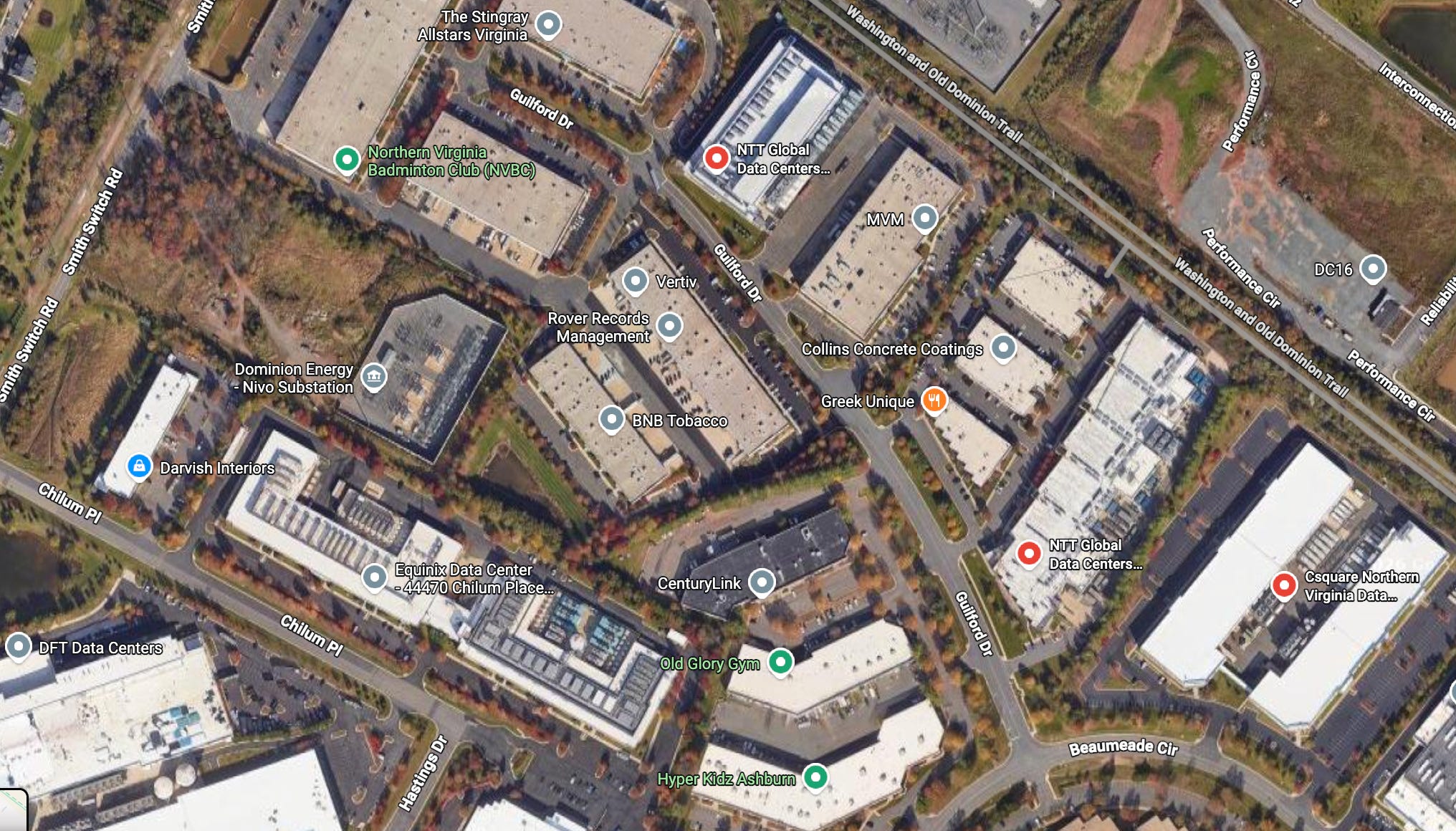
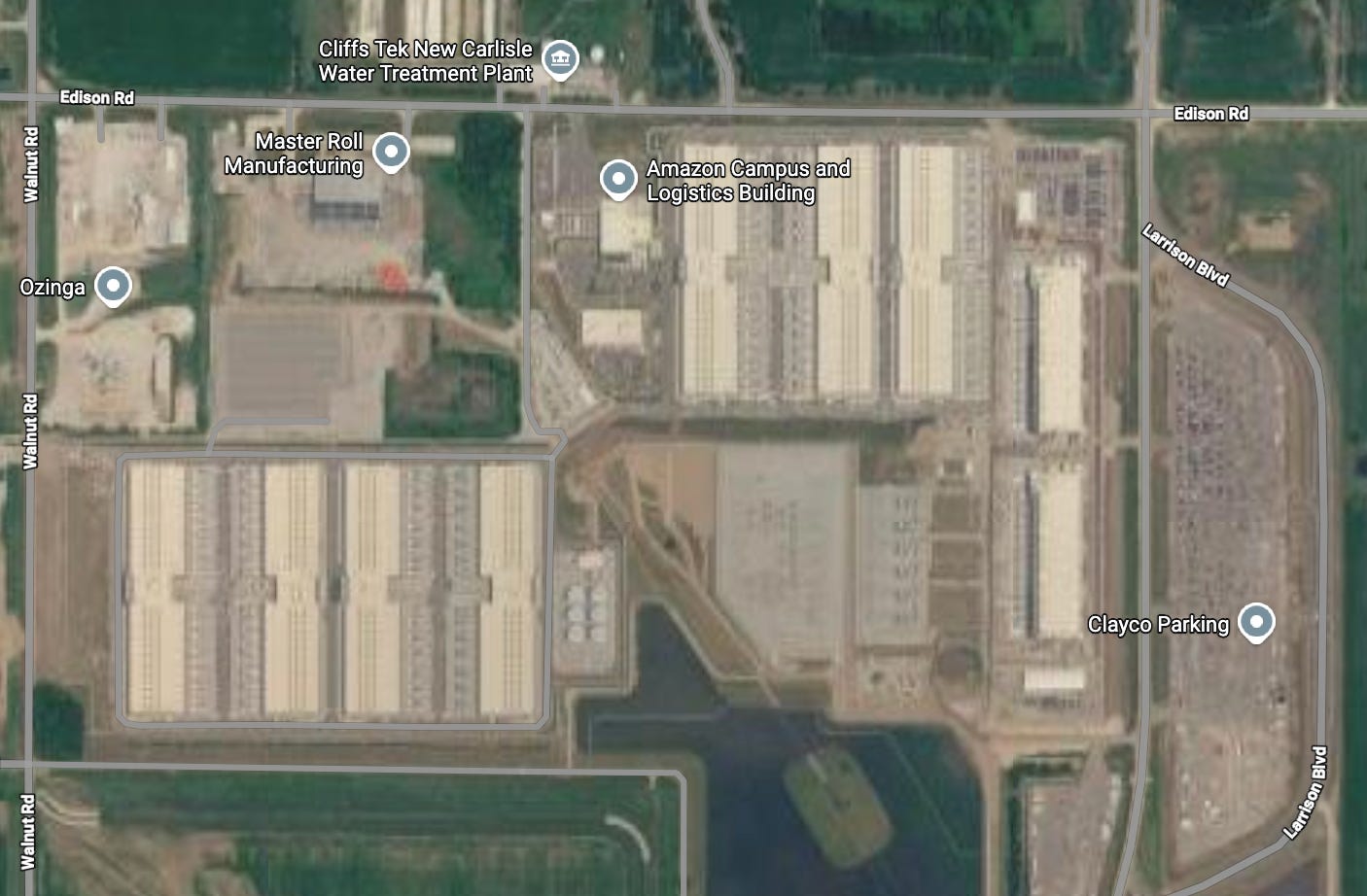
Does it matter in any relevant way that these are two distinct smallish data centers rather than a single large one? Probably not. The gigantic Amazon/Anthropic data center in New Carlisle, Ind., is several distinct buildings, some of which are further apart than NTT’s two data centers in that Loudoun strip mall.
But there’s an even more fundamental issue in trying to get a handle on the actual rate of data center construction.
I asked someone who works on data center deals for a major tech company and was told that some of the information you’d need to determine this is, on some level, actually treated as commercial trade secrets.
That person’s team is only approximately aware of what its competitors are up to and would like to obscure its own activities from the competition as well. Everyone knows that Amazon Web Services’ US-East-1 data center cluster is in Northern Virginia somewhere, but for security reasons the company won’t specify the exact addresses or which facilities precisely they’re using.
All of which is to say that instead of the article I’d originally planned, today I’m sharing an explainer about data centers that is also a little bit of an un-splainer, underscoring the extent to which this issue has leapt onto the public agenda in a somewhat undigested way.