


I’ve had three different landlords as an adult. One of them did a pretty good job but was obstinate about trying to charge more rent than the place was worth. Another was a total catastrophe in almost every respect. The third was basically fine, except he decided he wanted to get out of the landlording business and sell the house I was renting, so I had to leave.
I don’t know if my experience is typical, but I do think it’s indicative of the kinds of problems people have with landlords. They can be shitty. They can be good but charge a premium for not being shitty. Or they can be good and charge reasonable rent and then realize that it’s not necessarily worth the trouble.
This is one reason I think the idea of large institutional landlords is underrated.
A big player can try to do what Walmart or Chipotle or Hilton Hotels does and actually build a reputation for providing reasonable service at reasonable prices and benefit from scale. Mom and pop can’t.
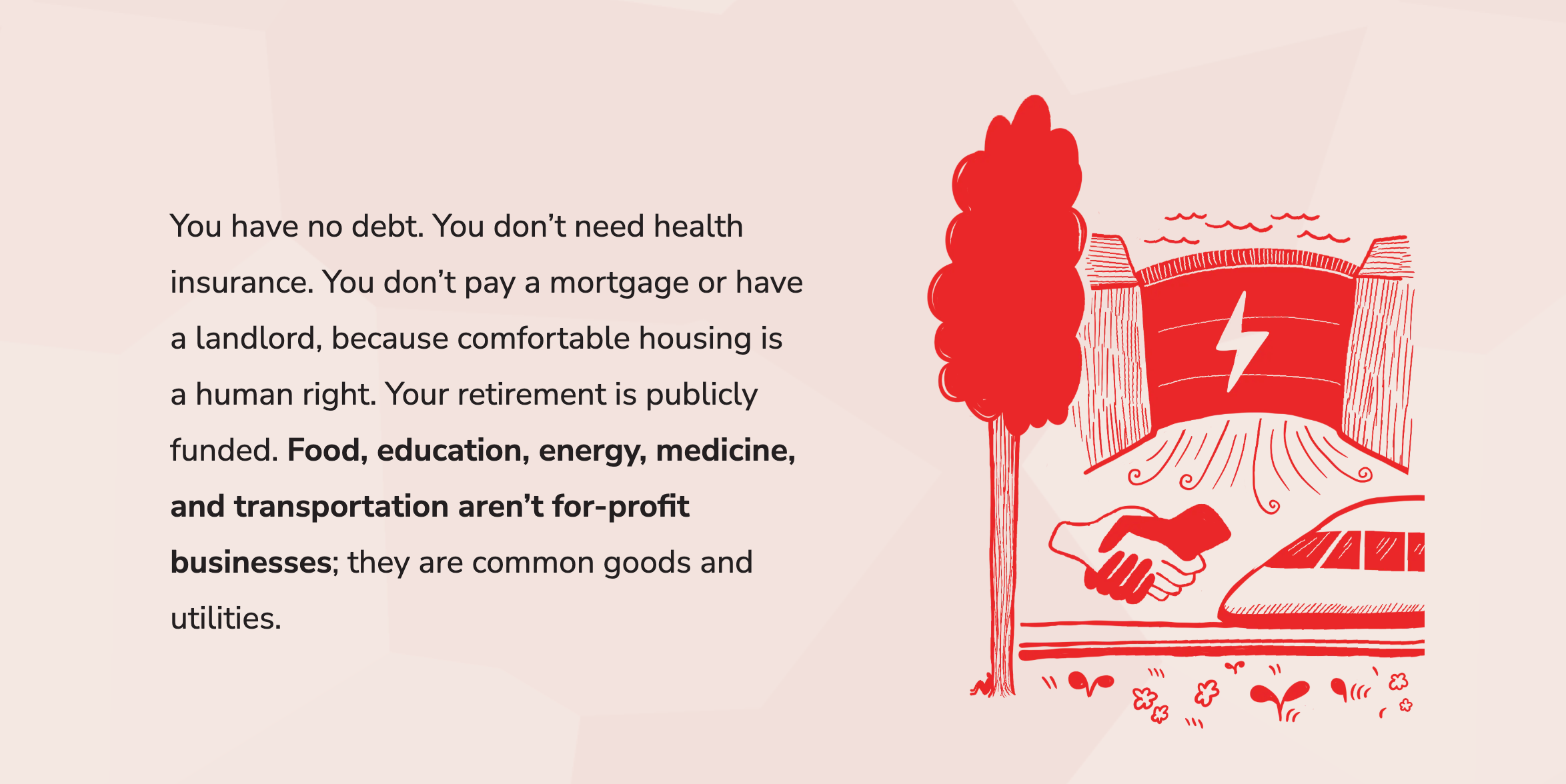
Regardless, though, I understand why people often find landlords frustrating. And I get the appeal of this line in the new Democratic Socialists of America platform about how under socialism “you don’t pay a mortgage or have a landlord, because comfortable housing is a human right.”
But this doesn’t make sense. If you live in a home you don’t own, then you have a landlord. It’s just that the landlord will be a public sector entity rather than a private one.
It’s worth thinking about, say, public school: Kids have a right to a free public education in the United States, but that doesn’t mean schools don’t have rules.
It does mean, in practice, that it’s harder to get kicked out of public school than private school. But from many families’ perspectives, that’s actually a downside of public school. One child’s right to his place in public school is another child’s need to put up with disorderly behavior.
In other regards, the dynamic flips — a public school can be tougher with grades because it has less need to please the customers.
The point, though, is that while a public school can be managed in many ways, the mere fact that it’s public doesn’t answer the question of how it should be managed or guarantee that it’ll be managed well. And the exact same thing is true of a public housing project. You might not call the person in charge of it “the landlord,” but someone is making decisions about who can live where and under what terms and what happens if the elevator breaks.
Real scarcities matter
The D.S.A. view is that housing, along with food, energy, medicine, and transportation, is one of several consumption goods that are so necessary for life as to be too important to leave up to the whims of the market.
Note, though, that this is more or less already how we think about food.